
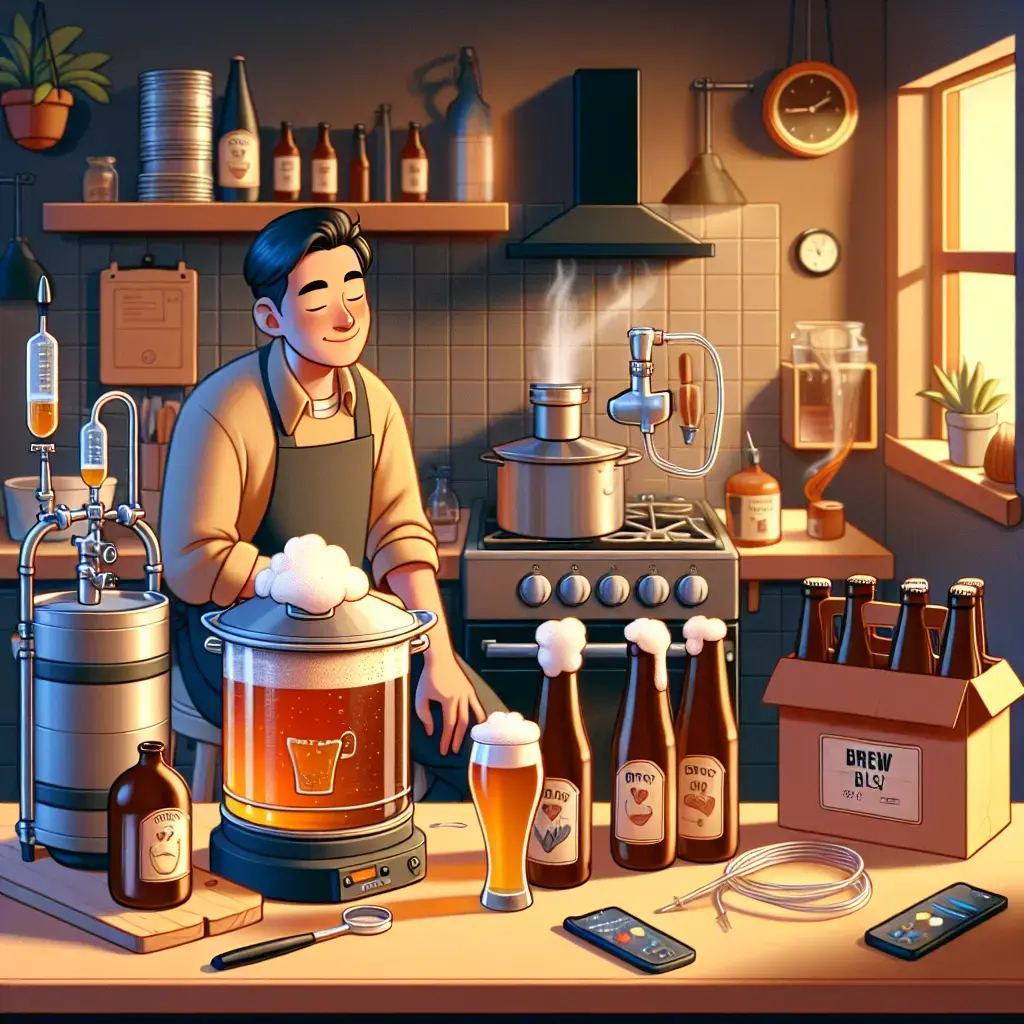
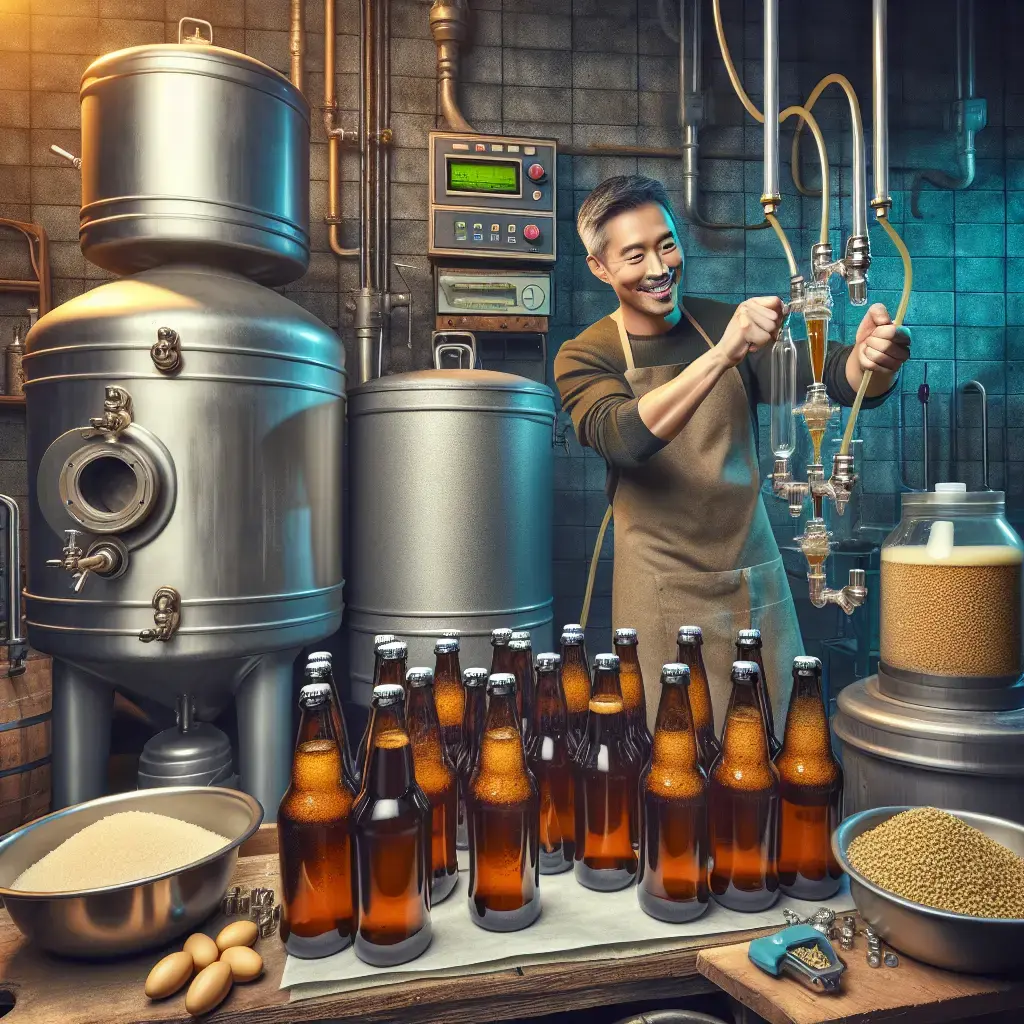
Crafting the perfect homebrew bottling process is an art that every dedicated homebrewer aspires to master. Whether you're a seasoned brewer or a passionate newcomer eager to learn how to bottle homebrew beer, understanding the nuances of DIY beer bottling can elevate your craft to new heights. The journey from fermentation to a flawlessly bottled brew involves meticulous attention to detail and an array of beer bottling techniques that promise to preserve the integrity and flavor of your creation.
For many, the allure of craft beer bottling at home lies in the satisfaction of pouring a homemade brew into a glass, knowing every step was curated with care. However, achieving perfection requires more than just enthusiasm; it demands insightful homebrewing advice and a comprehensive homebrew bottling guide. From selecting the right homebrew equipment for bottling to mastering best practices for bottling beer, each decision impacts the final product. In this vibrant community of brewing enthusiasts, sharing bottling homebrew opinions and expert homebrewing tips can make all the difference.
While successful beer bottling strategies are crucial, it's equally important to recognize and avoid common mistakes that could derail your efforts. With a step-by-step homebrew bottling approach, you'll be equipped with the knowledge and confidence to ensure efficient homebrew bottling. As you explore this fascinating blend of science and artistry, let us delve deeper into the world of homebrewing process insights, offering you tips for perfect beer bottling that can transform your hobby into a true craft. Now, let’s dive into the essential elements that make up an exceptional beer brewing and bottling experience.
Crafting the Perfect Homebrew Bottling Process
Crafting the perfect homebrew bottling process is a nuanced endeavor that elevates your beer from good to extraordinary. This section will delve into specific strategies and techniques that can transform your DIY beer bottling into a work of art, ensuring that each bottle you seal retains the flavor and integrity of your brew. From selecting the right homebrew equipment for bottling to understanding common pitfalls, this guide will provide you with actionable homebrewing advice and insights.
The Science Behind Homebrew Bottling
The homebrew bottling process is both an art and a science. At its core, it involves transferring your fermented beer into bottles, adding a priming sugar solution to facilitate carbonation, and then sealing the bottles to allow for secondary fermentation. Each step requires precision and care to ensure the final product is not only delicious but also safe to consume.
Priming Sugar Calculations
Understanding how much priming sugar to use is crucial. Too little, and your beer might be flat; too much, and you risk over-carbonation, which can lead to bottle explosions. According to a recent study published in the Journal of Brewing Science, using approximately 0.54 oz of priming sugar per gallon can achieve the perfect level of carbonation for most beer styles. This aligns with homebrew bottling opinions shared by seasoned brewers on forums like Homebrew Talk, where consensus advises careful measurement based on beer style and desired carbonation levels.
Essential Homebrew Equipment for Bottling
Choosing the right equipment is vital for efficient homebrew bottling. Here are some must-have tools:
- Bottling Bucket: A dedicated bucket with a spigot simplifies the transfer of beer from the fermenter to bottles.
- Auto-Siphon: Facilitates easy transfer of beer without disturbing the sediment.
- Bottle Capper: Essential for sealing your bottles securely.
- Sanitizer: Prevents contamination, which can ruin your batch.
Recent reviews on Craft Beer & Brewing highlight innovative bottling equipment that streamlines the process. For instance, spring-loaded bottle fillers have become popular due to their efficiency in minimizing oxygen exposure—a critical factor in preserving beer quality.
Step-by-Step Homebrew Bottling Techniques
1. Preparation: Sanitize all equipment and bottles. As noted in various homebrewing process insights, sanitation is paramount to avoiding spoilage.
2. Priming: Dissolve your calculated priming sugar in water and add it to the bottling bucket.
3. Transfer: Siphon the beer from the fermenter to the bottling bucket, ensuring minimal splashing to avoid oxygenation.
4. Bottling: Fill each bottle, leaving about an inch of headspace, and cap immediately.
5. Conditioning: Store bottles at room temperature for 1-2 weeks for carbonation, then move them to a cooler environment for aging.
A detailed homebrew bottling guide available on American Homebrewers Association provides further elaboration on each step, ensuring clarity for both beginners and experienced brewers alike.
Mistakes to Avoid in Homebrew Bottling
Avoiding common mistakes can significantly improve your brewing results:
- Poor Sanitation: Never underestimate the importance of thorough cleaning and sanitizing.
- Inaccurate Measurements: Always use precise scales for measuring priming sugar.
- Temperature Fluctuations: Keep bottled beer at a consistent temperature to ensure proper carbonation.
In an insightful article from Zymurgy Magazine, expert homebrewing tips emphasize learning from mistakes as a key component of successful beer bottling strategies. Engaging with communities on platforms like Reddit’s r/Homebrewing can also provide diverse bottling homebrew opinions that enhance learning.
Expert Homebrewing Tips for Perfect Beer Bottling
- Use Oxygen Absorbing Caps: They help reduce oxidation, maintaining beer freshness over time.
- Practice Patience: Allow adequate time for conditioning; rushing can lead to incomplete carbonation.
- Seek Feedback: Share your brew with fellow enthusiasts to gain constructive feedback.
Incorporating these best practices for bottling beer can make a significant difference. As noted in BeerAdvocate, engaging with knowledgeable peers can provide valuable homebrewing advice that refines your technique.
Conclusion
The perfect homebrew bottling process is not just about following steps; it’s about understanding and mastering each element. By integrating scientific precision with creative flair, and by leveraging expert insights and modern tools, you can ensure that your craft beer bottling at home results in exceptional brews that reflect your passion and dedication.
Engage with this dynamic community and continue learning from serialized articles and reputable sources to stay updated on new trends and techniques in homebrewing. Remember, every bottle you produce is a testament to your skill and creativity—make it count!
Crafting the perfect homebrew bottling process is a rewarding endeavor that combines precision and creativity. Here's a concise recap of key takeaways to enhance your beer bottling experience:
- Science & Art: Recognize that bottling is both an art and a science. Accurate priming sugar calculations are essential to achieving the right carbonation.
- Essential Equipment: Equip yourself with tools like a bottling bucket, auto-siphon, bottle capper, and sanitizer to streamline the process.
- Step-by-Step Techniques:
1. Sanitize all equipment.
2. Carefully calculate and add priming sugar.
3. Siphon the beer with minimal splashing.
4. Fill and cap each bottle properly.
5. Condition the bottles at room temperature before moving them to a cooler environment.
- Avoid Common Mistakes: Ensure precise sanitation, accurate measurements, and stable temperatures to avoid spoilage and improper carbonation.
- Expert Tips: Utilize oxygen-absorbing caps, allow sufficient conditioning time, and seek feedback from fellow brewers to refine your technique.
By mastering these elements, you can elevate your homebrew bottling process and create exceptional beers that reflect your dedication and passion. Engage with the vibrant brewing community on platforms like Homebrew Talk and BeerAdvocate to continue learning and sharing insights. Remember, each bottle you craft is a testament to your skill—make it count!
We'd love to hear about your homebrewing adventures! Share your experiences, tips, or questions in the comments below. Happy brewing!

Leave a Comment