
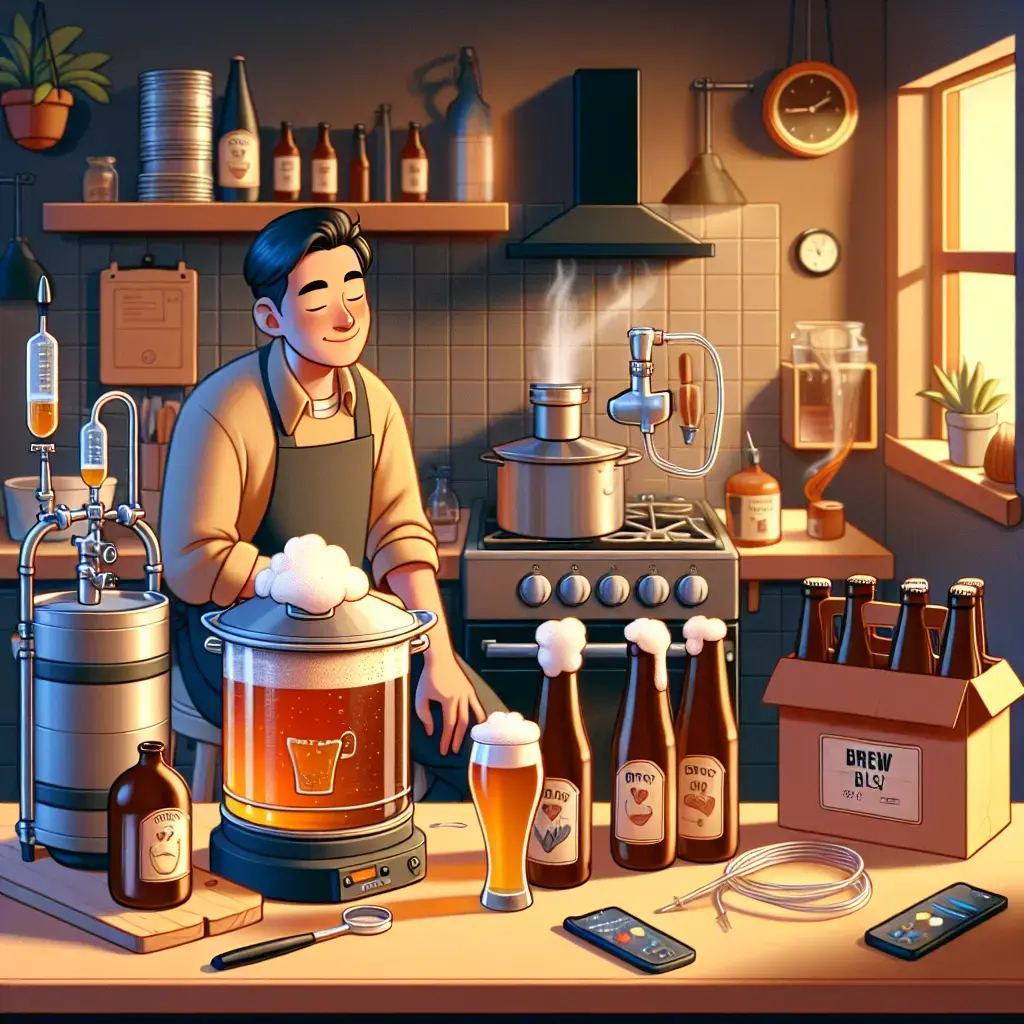

Imagine the satisfaction of crafting your own beer, tailoring flavors to your taste, and sharing your personalized creation with friends. Creating a homebrew recipe from scratch is more than just an economical hobby; it's a journey into the heart of brewing beer at home. With the rising interest in DIY beer brewing, enthusiasts are discovering that crafting their own beer is not only affordable but also a rewarding experience. Crafting a budget-friendly beer recipe allows you to explore the art of homebrewing without breaking the bank.
Whether you're a novice or have dabbled in homebrew before, this guide will illuminate the path to cost-effective homebrewing. From selecting quality homebrew ingredients to choosing the right homemade beer equipment, you’ll find everything you need to brew on a budget. This step-by-step homebrew guide will provide essential homemade beer tips and money-saving brewing techniques to ensure your success. Brewing beer economically doesn't mean compromising on flavor; instead, it’s about discovering efficient ways to achieve great taste.
For those eager to learn how to brew beer economically, this beginner's homebrew recipe will serve as a foundation upon which you can build your own unique flavors. With the right techniques and guidance, you can craft your own beer that mirrors your creativity and preferences. Dive into the world of economical beer brewing and discover how personalized beer recipes can bring joy and satisfaction. Ready to embark on this brewing adventure? Let’s delve into the essentials of brewing beer on a budget.
Creating Your Own Homebrew Recipe from Scratch
Embarking on the journey of creating your own homebrew recipe from scratch is a rewarding endeavor that allows you to delve into the intricacies of brewing beer at home. As the craft beer movement continues to gain momentum in 2024, more enthusiasts are discovering the joys of DIY beer brewing. This guide will provide you with the necessary steps and insights to create a budget-friendly beer recipe without sacrificing quality or flavor.
Understanding Homebrew Ingredients Selection
Selecting the right ingredients is crucial when crafting a personalized beer recipe. The four main components of any beer are malt, hops, yeast, and water. Each element plays a significant role in defining the character and taste of your beer.
Malt: Start with selecting the right malt, which forms the backbone of your beer. Pale malt is versatile and suitable for beginners. For more complex flavors, consider specialty malts like caramel or roasted varieties. A recent study from the Brewers Association highlights the growing trend of using locally sourced malt, which not only supports local agriculture but also adds unique regional flavors to your brew.
Hops: Choose hops based on the aroma and bitterness profile you desire. The International Bitterness Unit (IBU) scale can guide you in balancing bitterness with sweetness from the malt. As reported by Hop Growers of America, new hop varieties are being developed that offer exciting flavors such as tropical fruit and pine, opening up new possibilities for homebrewers.
Yeast: Yeast selection is pivotal for fermentation and flavor development. Ale yeast is typically easier for beginners due to its forgiving nature regarding fermentation temperatures. The recent advances in yeast cultivation, as discussed in a Craft Beer & Brewing Magazine article, have led to a resurgence in the use of wild and hybrid yeast strains, providing even more creative options for homebrewers.
Choosing Homemade Beer Equipment
Water: Often overlooked, water quality can dramatically affect your beer’s outcome. Ensure your water is free from chlorine and has a balanced mineral content suitable for brewing.
Creating a successful homebrew beer guide begins with having the right equipment. Investing in basic but essential homemade beer equipment can be both economical and practical.
Fermentation Vessels: Options range from simple plastic buckets to more advanced glass carboys or stainless steel fermenters. Each has its pros and cons regarding ease of cleaning, durability, and cost.
Boiling Kettle: A large pot (at least five gallons) is essential for boiling your wort. Stainless steel is recommended for its durability and heat retention.
Sanitizing Equipment: Keeping your equipment sanitized is crucial to avoid contamination. Products like Star San or iodophor are popular choices among homebrewers.
Beer Brewing Techniques for Beginners
Recent trends highlighted by Homebrew Con show an increasing interest in modular brewing systems that allow hobbyists to expand their setup as they become more skilled.
For those new to brewing beer on a budget, understanding and mastering basic techniques can set the foundation for creating a cost-effective homebrewing process.
Mashing: This process converts starches in malt to sugars, creating wort. The temperature and duration of mashing can significantly influence the body and sweetness of your beer.
Boiling: Boiling sterilizes the wort and extracts bitterness from the hops. Timing the addition of hops during boiling stages affects the aroma and flavor profile.
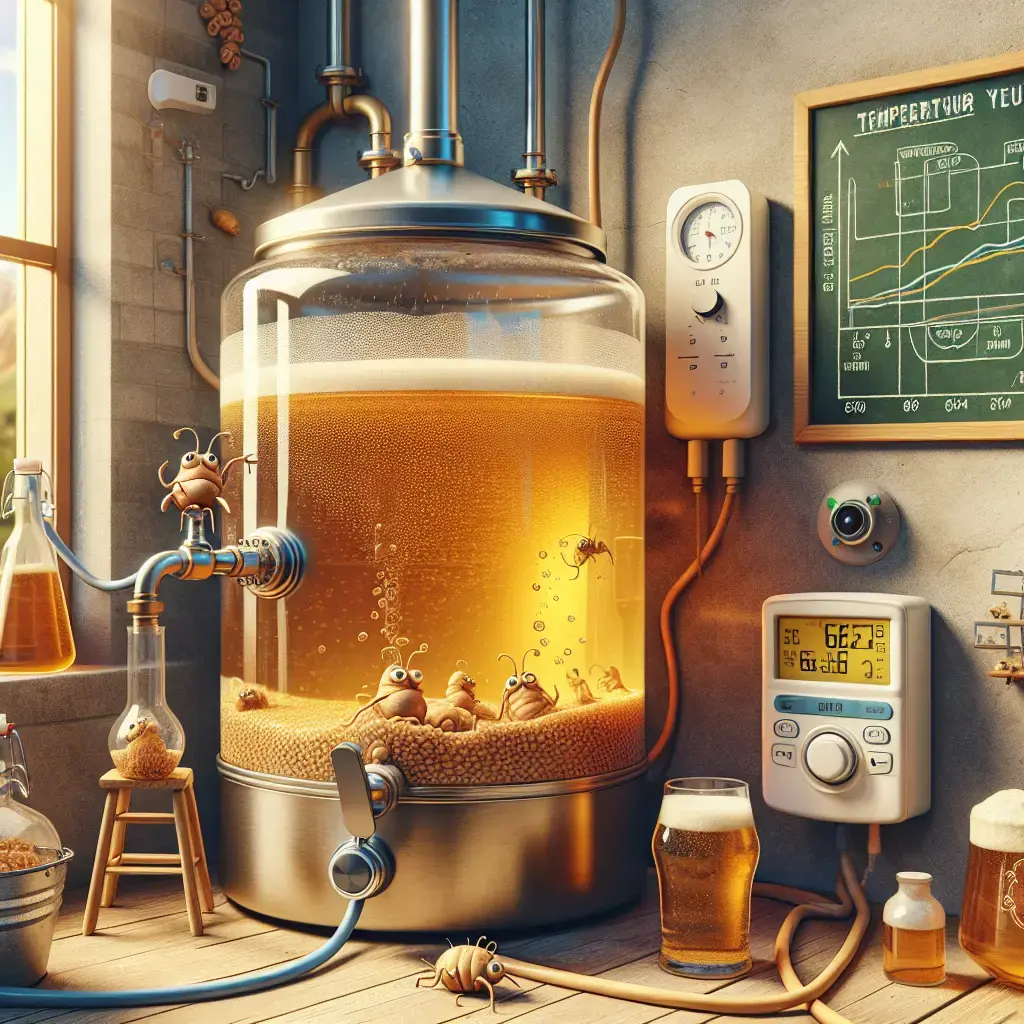
Fermentation: Ensuring stable temperatures during fermentation is key to achieving the desired flavor without off-notes. Recent innovations in temperature control technology, as described by Brew Your Own, make maintaining these conditions more accessible and affordable.
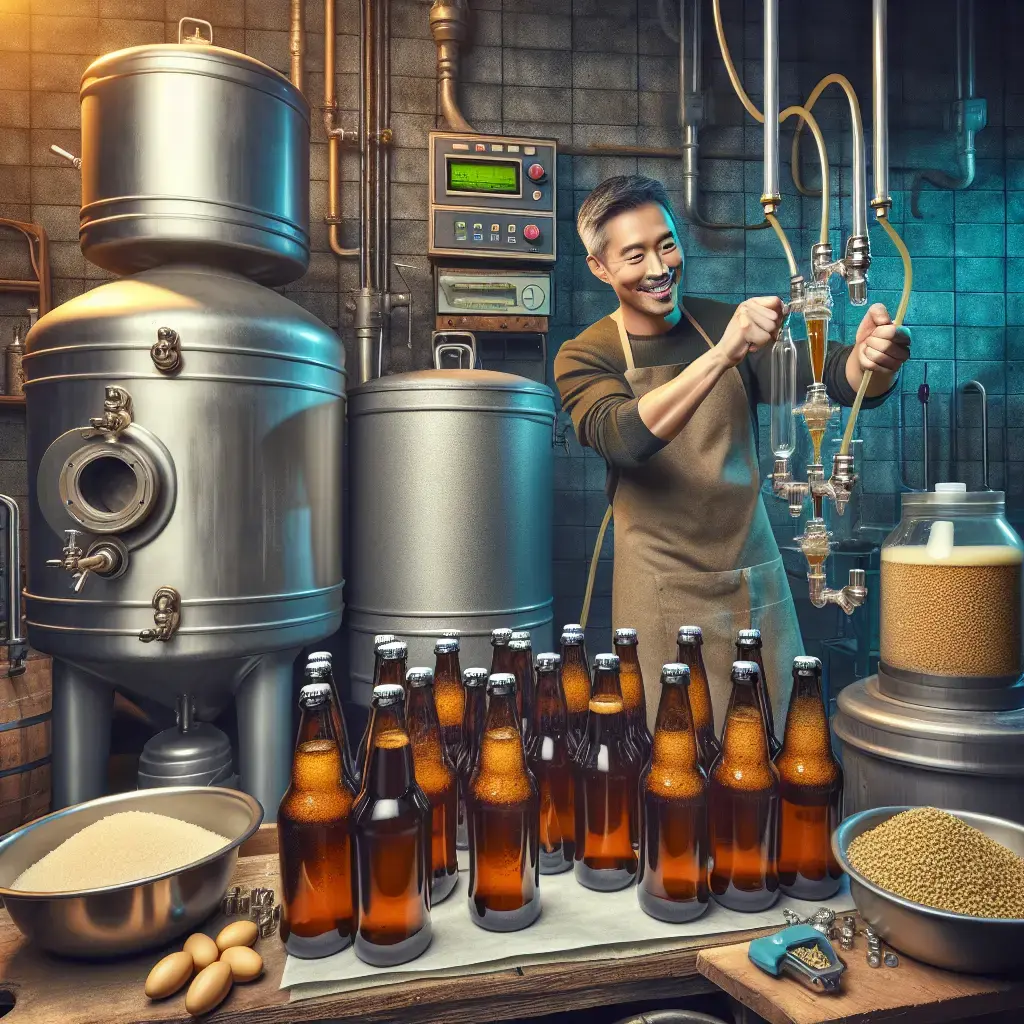
Bottling and Aging: Proper bottling techniques and allowing sufficient aging time can greatly enhance flavor development. Oxygen exposure during bottling should be minimized to prevent spoilage.
Money-Saving Brewing Tips
Brewing economically doesn’t mean compromising on quality or creativity. Here are some money-saving tips:
Bulk Buying: Purchasing ingredients like malt and hops in bulk can reduce costs significantly. Check out local homebrew clubs for group buys, often resulting in discounts.
Reuse Yeast: Harvesting yeast from one batch for use in another can save money and is an excellent way to cultivate a house strain that imparts a consistent flavor profile.
DIY Equipment: Consider building some of your own equipment. For example, constructing a wort chiller from copper tubing can be much cheaper than purchasing one pre-made.
Creating Personalized Beer Recipes
A recent analysis by The American Homebrewers Association noted that homebrewers saved an average of 30% by implementing these techniques.
With a foundational understanding of ingredients and techniques, you can begin to experiment with creating your own personalized beer recipes. This involves not only adjusting ingredient quantities but also trying different brewing methods.
Flavor Profiling: Use a flavor wheel to identify characteristics you enjoy and aim to replicate them in your brew.
Experimentation: Don’t be afraid to try unconventional ingredients or methods. The global trend towards craft experimentation, such as using spices or fruit adjuncts, has been well-documented by Brewbound.
By following this step-by-step homebrew guide, you’ll be well-equipped to craft your own beer that reflects your personal taste while adhering to a budget-friendly beer recipe model. Remember, the journey into economical beer brewing is as much about learning and experimentation as it is about enjoying the fruits of your labor.
Embarking on the journey of homebrewing is both a creative and rewarding endeavor, offering enthusiasts the chance to craft unique beers tailored to their personal tastes. As you dive into creating your own homebrew recipe, remember these key takeaways:
Ingredient Selection: The backbone of any great beer lies in its ingredients. Choose the right malt, hops, yeast, and water, as they define your beer's flavor and character. Consider using locally sourced ingredients to add a distinct regional touch.
Essential Equipment: Invest in quality fermentation vessels and boiling kettles, and ensure all equipment is sanitized to prevent contamination. Modular systems can grow with your skill level.
Brewing Techniques: Master basic techniques like mashing, boiling, fermentation, and bottling to achieve a cost-effective brewing process. These steps are crucial for developing the desired flavors and preventing off-notes.
Cost-Saving Strategies: Save money by buying ingredients in bulk, reusing yeast, and constructing DIY equipment. These strategies can significantly reduce costs without compromising quality.
Recipe Experimentation: Use flavor profiling and experimentation to develop personalized recipes. Unconventional ingredients like spices or fruits can add exciting dimensions to your brew.
In conclusion, homebrewing is as much about the journey as it is about the final product. Each batch offers a chance to learn and refine your craft. I invite you to share your experiences, insights, and favorite brewing tips in the comments below. Let’s continue to inspire one another in this flavorful adventure. Cheers to your brewing success! 🍻

Leave a Comment