
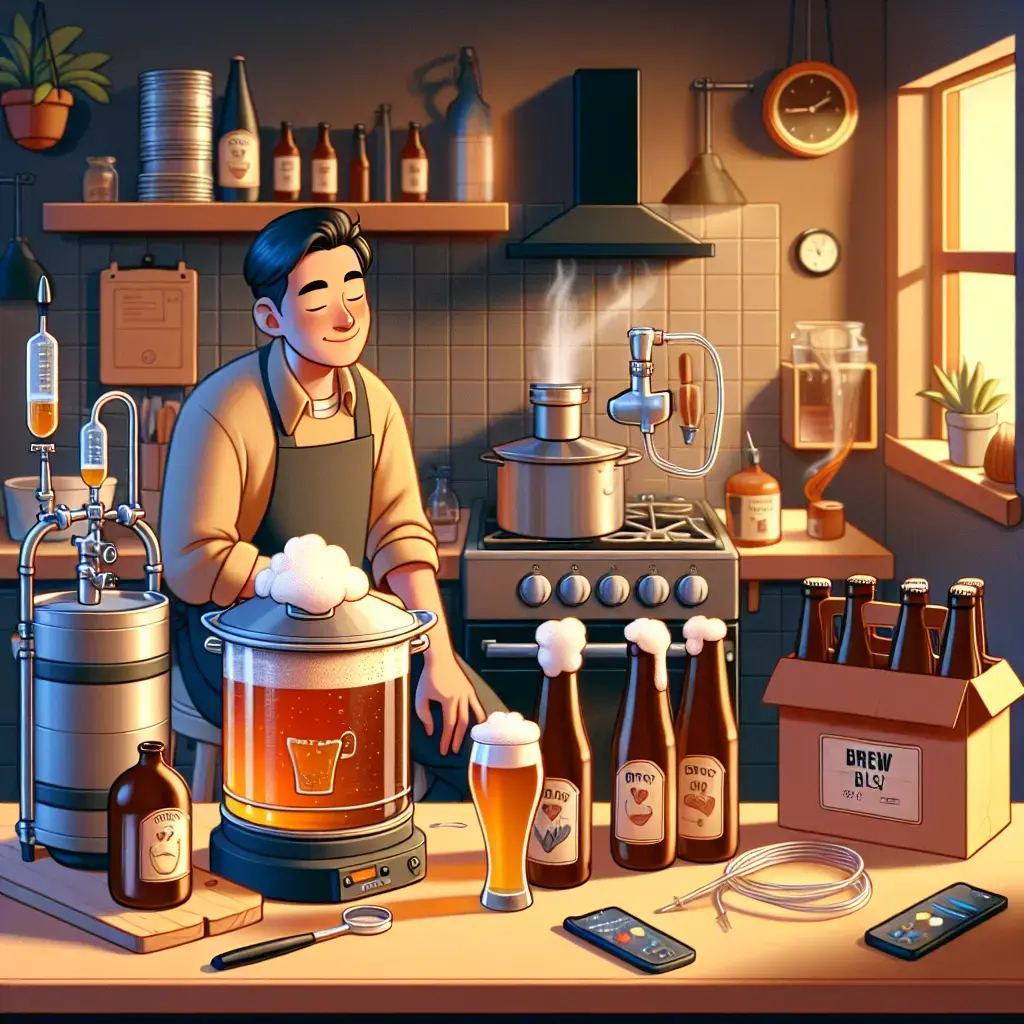
In the thriving world of homebrewing, maintaining pristine equipment is crucial not only for crafting the perfect brew but also for ensuring safety and hygiene. Whether you are a seasoned brewer or just starting your beer-making journey, understanding the intricacies of homebrewing equipment sanitization is essential. This comprehensive guide will explore everything from how to sanitize brewing equipment to advanced brewing sanitation techniques, offering invaluable insights into beer brewing sanitation steps that every enthusiast should master.
Cleaning brewing equipment isn't just about rinsing tools under water; it's an art form that demands precision and attention to detail. With proper homebrew sanitation guides, you'll learn how to clean beer brewing tools effectively, transforming your brewing experience. By integrating brewing equipment cleaning tips into your routine, you can preserve the quality of your brews while extending the lifespan of your tools.
The importance of sanitizing homebrew gear cannot be overstated, especially for those looking to venture into the business of homebrewing sanitation. Professional brewing equipment cleaning practices can elevate your craft, ensuring every batch is flawless and safe for consumption. Discover how to brew beer safely at home by mastering homebrew cleanliness guides and delving into the nuances of brewing equipment sterilization methods.
Transitioning from hobbyist to professional requires a solid foundation in homebrew equipment maintenance. By following this step-by-step guide, you'll be equipped with the knowledge to disinfect brewing equipment and sanitize homebrew tools for business success, paving the way for a cleaner, more efficient brewing process.
Step by Step Guide to Sanitizing Your Homebrewing Equipment
Preparation: Setting the Stage for Success
Understanding the intricacies of homebrewing equipment sanitization is fundamental for every beer enthusiast. Whether you're a hobbyist or transitioning into the business of homebrewing sanitation, mastering these steps will ensure the quality and safety of your brew. Let's delve into the detailed process of how to sanitize brewing equipment effectively, using contemporary insights and established practices.
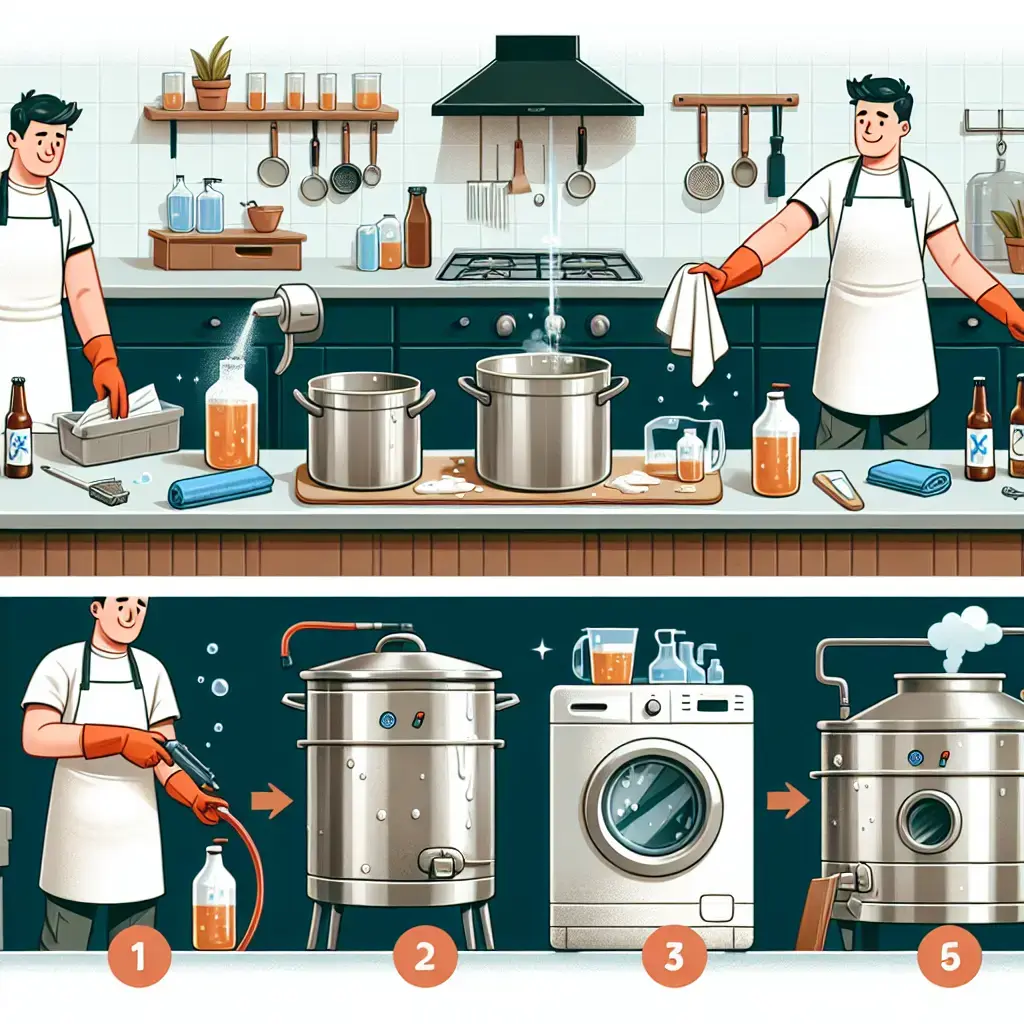
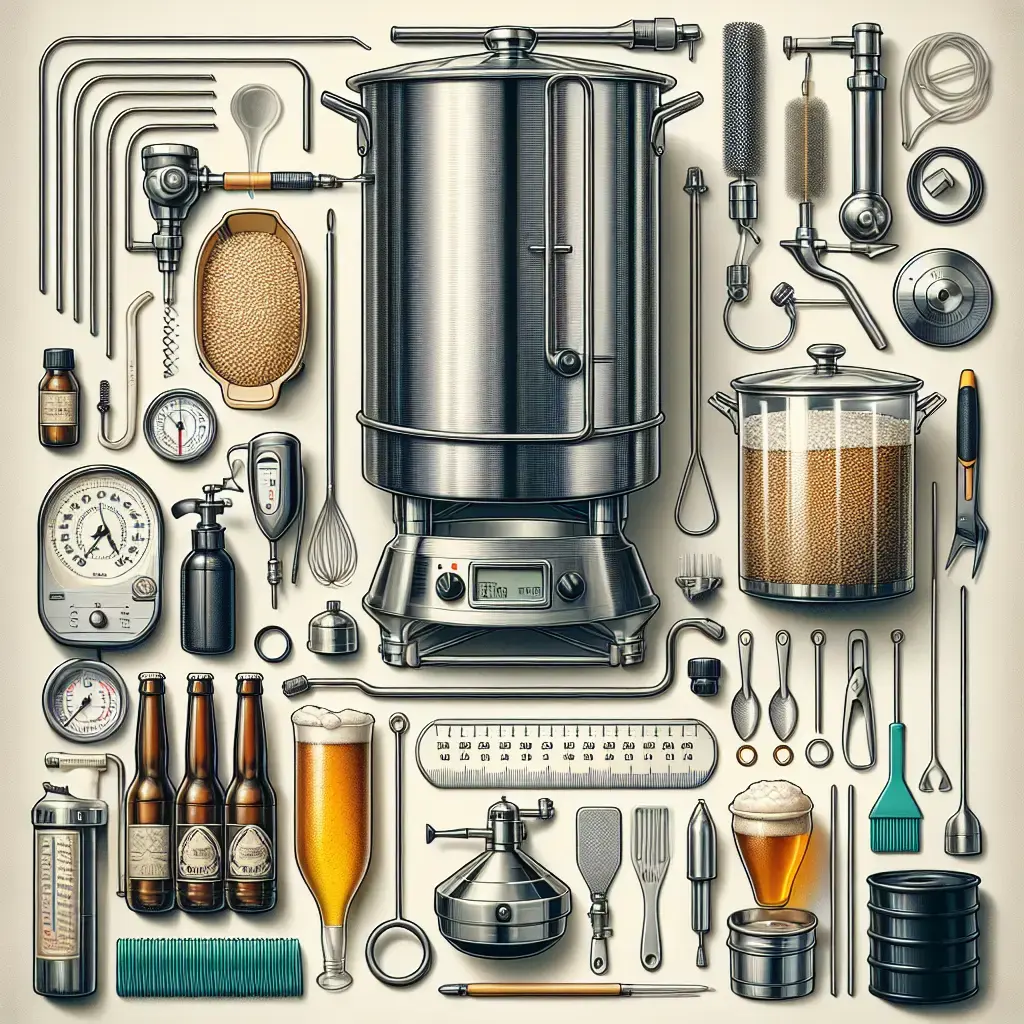
The first step in the homebrew cleaning process is preparation. Begin by assembling all necessary materials, including sanitizers, brushes, and cloths specifically designed for brewing equipment cleaning. Ensuring you have everything on hand will streamline your workflow and maintain the cleanliness and hygiene crucial for producing high-quality beer.
Choose the Right Sanitizer: There are various sanitizers available, including iodophor and acid-based sanitizers. According to a recent review by BrewScience Magazine, acid-based sanitizers like Star San are favored for their no-rinse, food-grade properties that eliminate pathogens without leaving residual flavors.
Gather Cleaning Tools: Invest in brushes and sponges that can reach tight spots, such as bottle brushes for cleaning narrow necks and scrub pads for larger surfaces.
Disassemble and Pre-Clean: The Foundation of Sanitization
Before diving into the thorough cleaning, disassemble your brewing equipment. This includes removing parts from fermenters, bottles, and any detachable components.
Rinse with Warm Water: Use warm water to rinse away any visible debris. This step is crucial in preparing your equipment for deeper cleaning and preventing buildup over time.
Scrub with a Non-Abrasive Pad: Using a non-abrasive scrub pad, gently clean surfaces to avoid scratches where bacteria can hide.
Deep Clean: Eliminating Residue and Contaminants
Use a Cleaning Agent: Apply a specialized cleaner like PBW (Powdered Brewery Wash) to break down organic compounds. As reported by Homebrew Journal, PBW is effective in removing protein deposits and hop residues without damaging equipment surfaces.
Soak and Scrub: Allow parts to soak in a solution of the cleaning agent for at least 30 minutes. Follow with a thorough scrub to ensure all residues are removed.
Rinse Thoroughly: Ensure that no cleaner residues remain by rinsing all parts thoroughly with hot water.
Sanitizing: The Crucial Step to Safe Brewing
Apply Sanitizer Solution: Prepare your chosen sanitizer according to the manufacturer’s instructions. Immersing smaller parts or using a spray bottle for larger equipment ensures comprehensive coverage.
Contact Time Matters: Allow sufficient contact time for the sanitizer to work effectively. For instance, Star San requires a minimum of 60 seconds of contact time to be effective.
Drying: Preventing Contamination
Air Dry Completely: Allow all components to air dry completely before reassembling. Avoid using towels, which may introduce new contaminants.
Ensure Ventilation: Good airflow aids in drying and prevents moisture buildup, which can lead to mold.
Maintenance: Keep Your Equipment Pristine
Regular maintenance ensures longevity and optimal performance of your brewing tools. Incorporating these brewing equipment cleaning tips into your routine helps maintain homebrew cleanliness.
Schedule Regular Cleanings: Establish a schedule for regular deep cleans based on how often you brew.
Inspect Equipment Regularly: Check for signs of wear or damage that could affect performance or hygiene.
Engaging with the Latest Trends
Interactive Engagement: What’s Your Sanitization Strategy?
Have you tried any innovative homebrewing hygiene tips or encountered challenges in maintaining your equipment? Sharing experiences within the brewing community can lead to valuable insights and improvements in the sanitize homebrew tools for business practices.
By integrating these detailed steps and modern updates into your brewing routine, you not only enhance the quality of your beer but also ensure a safe and hygienic environment for every batch you create.
In summary, maintaining the cleanliness and hygiene of your homebrewing equipment is essential for producing high-quality beer. Here's a quick recap of the key steps:
- Preparation: Gather necessary sanitizers and cleaning tools.
- Disassemble and Pre-Clean: Remove parts and rinse with warm water to prevent buildup.
- Deep Clean: Use agents like PBW to eliminate organic residues, followed by a thorough rinse.
- Sanitizing: Apply a suitable sanitizer, ensuring adequate contact time.
- Drying: Air dry all components completely to avoid contamination.
- Maintenance: Schedule regular cleanings and inspections for ongoing equipment care.
Engage with the latest trends by exploring eco-friendly sanitizers and smart technology solutions that can enhance your sanitation routine. By integrating these practices into your brewing process, you can ensure a safe environment for every batch you create.
Reflecting on Your Own Practices
What innovative sanitization strategies have you implemented in your brewing process? Share your experiences or challenges with the community—your insights could spark valuable discussions or inspire others in their brewing journey.
Keep brewing and keep sharing! Cheers to crafting not just great beer, but also a safer and more sustainable brewing environment.

Leave a Comment