

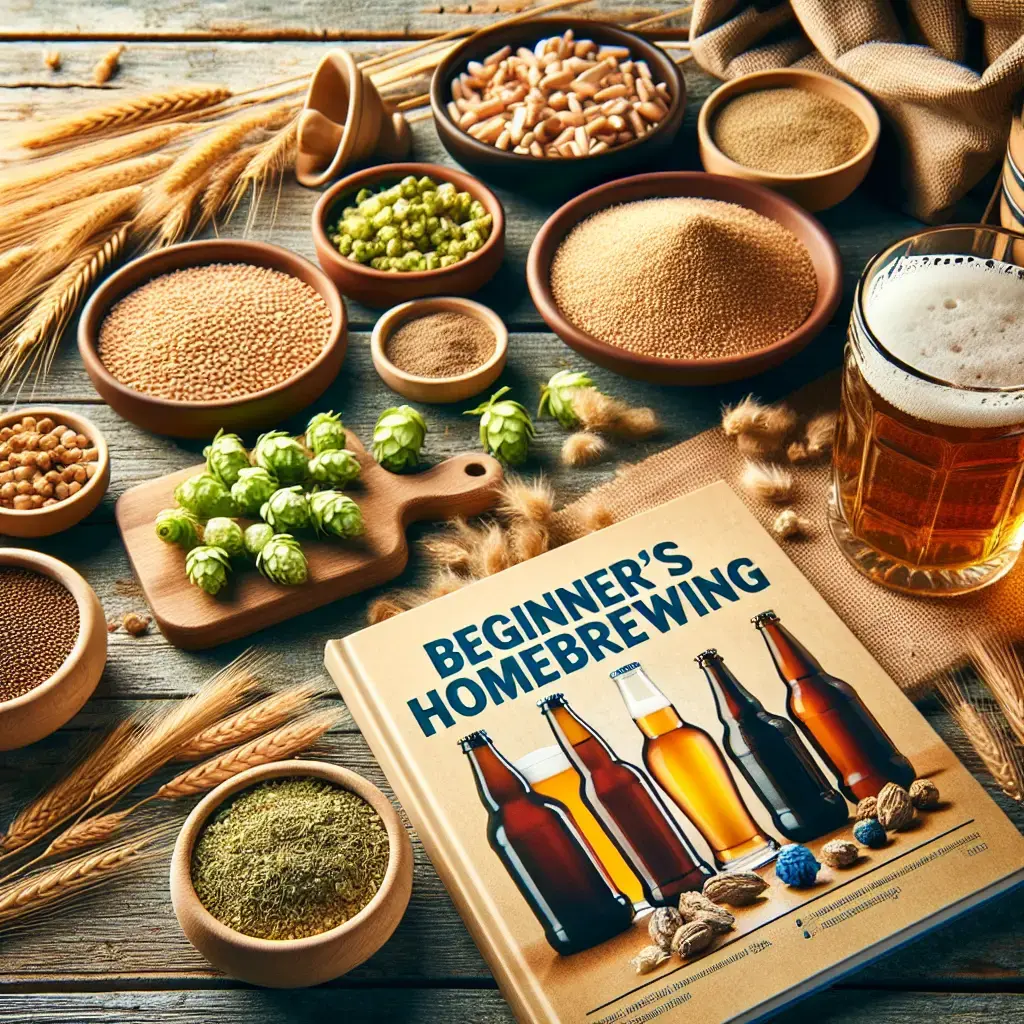
Embarking on the journey of homebrewing is an exhilarating adventure that promises creativity and satisfaction. However, for beginners, selecting the right ingredients can seem daunting. This comprehensive guide aims to ease your path into homebrewing by offering essential homebrewing ingredient advice. Whether you're delving into beginner homebrew recipes or exploring homebrewing basics, understanding how to choose the best ingredients is key to crafting delightful brews.
In recent years, the craft beer scene has evolved to embrace diverse ingredients that were once overlooked. A notable trend is the rise of craft rice lagers. Historically, rice was associated with mass-produced beers like Budweiser and Coors, often criticized for being bland. Today, however, many craft breweries are incorporating rice into their recipes, recognizing its potential to create crisp, refreshing beers. Learn more about this trend from NPR.
Rice in beer not only lightens the body but also allows for more delicate hop flavors to shine through. For beginners, experimenting with rice in your homebrew can offer a unique twist and align with current trends. This exemplifies how selecting homebrew ingredients thoughtfully can elevate your brewing game.
Navigating the world of homebrewing for beginners starts with understanding essential ingredients. The core components of most beers include malt, hops, yeast, and water. Each plays a distinct role in the brewing process:
Malt: Provides the fermentable sugars needed for alcohol production and influences color and flavor.
Beginner's Homebrewing Tips
Hops: Contribute bitterness that balances the sweetness of malt, add aroma, and act as a natural preservative.
Yeast: Responsible for fermentation, converting sugars into alcohol and carbon dioxide while adding distinct flavors.
Water: Makes up the majority of beer's composition; its quality can significantly impact the final product.
Selecting homebrew ingredients doesn't have to be overwhelming. Here are some beginner's homebrewing tips to guide your selection:
Case Study: The Married Duo's Brewing Journey
Start Simple: Begin with basic recipes that require fewer ingredients to familiarize yourself with the brewing process.
Use Fresh Ingredients: Fresh malt, hops, and yeast will enhance the quality of your brew. Avoid using old or improperly stored components.
Understand Your Water Source: Test your water for minerals that can affect taste. You might consider using distilled water with added brewing salts to control these variables.
Experiment with Hops: Try different varieties to understand their distinct flavors and aromas. This experimentation can be key in developing your unique brewing style.
Stay Informed: Follow trends and news in the beer world to inspire your ingredient choices. For instance, consider experimenting with rice lagers following their rise in popularity.


Leave a Comment