
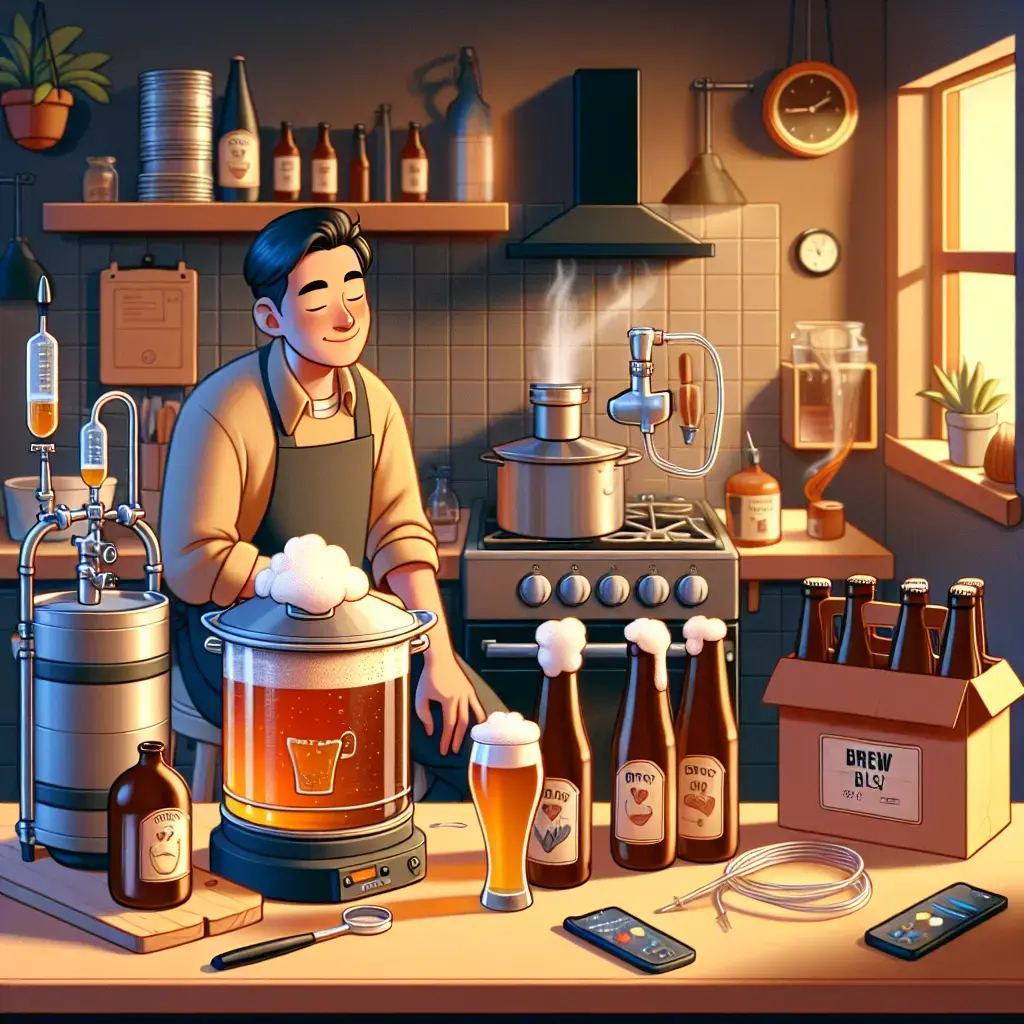
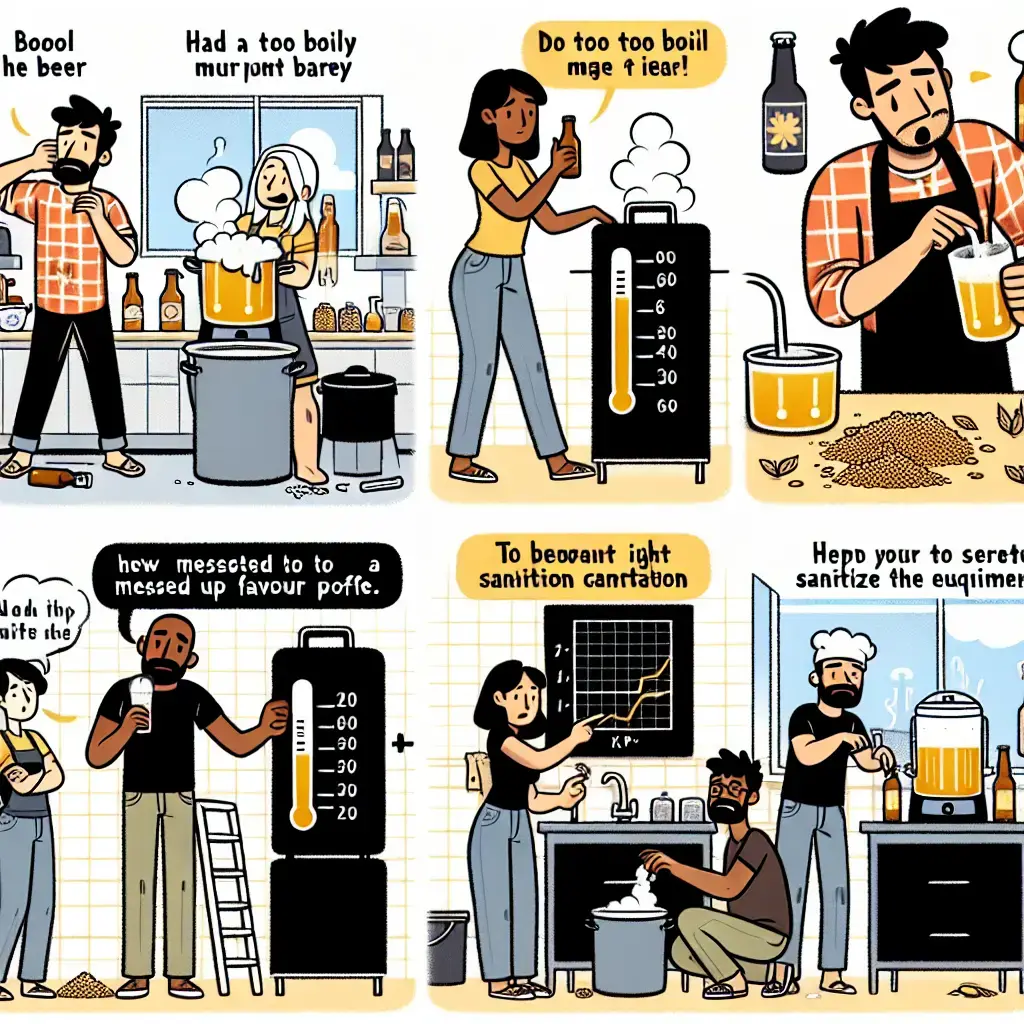
Crafting the perfect brew is both an art and a science for homebrewing enthusiasts. However, even the most seasoned brewers encounter mistakes that can affect their craft's quality. This comprehensive guide aims to help you troubleshoot homebrewing issues by delving into common errors and offering practical tips to perfect your craft.
Brewing process errors can arise at any stage, from mashing to fermentation. A frequent issue is temperature control. Maintaining precise temperatures during mashing and fermentation is crucial, as fluctuations can lead to unwanted flavors or incomplete fermentation. For instance, fermenting ales at too high a temperature may produce off-flavors like fusel alcohols, while lagers require cooler conditions for a clean, crisp taste.
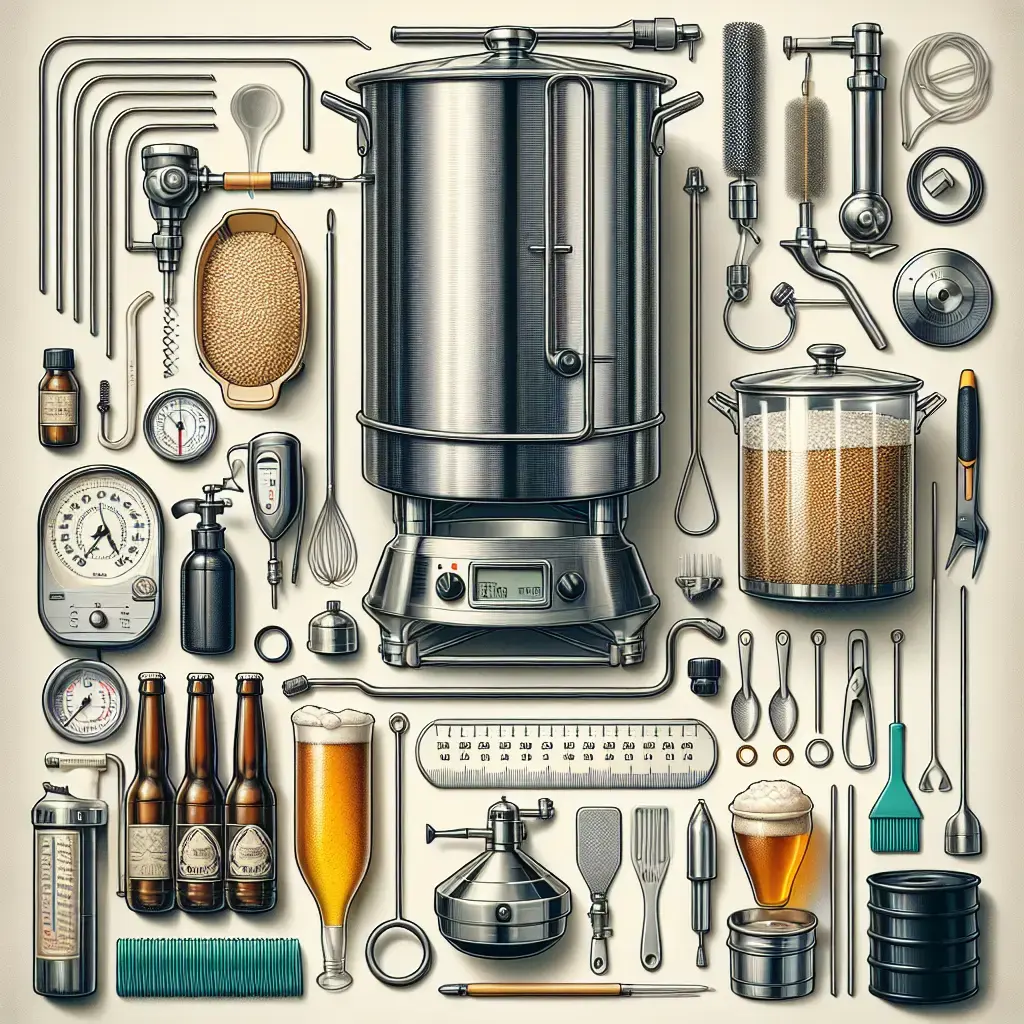
To mitigate these errors, investing in a reliable thermometer and a fermentation chamber or temperature controller can make a significant difference. Check out the Craft Beer & Brewing guide on temperature management for more insights.
Fermentation issues often stem from problems like poor yeast health or improper oxygen levels. Yeast needs optimal conditions to thrive and effectively convert sugars into alcohol. Under-pitching yeast or failing to aerate your wort adequately can result in stalled or incomplete fermentation.
Proper yeast management is essential. Use a yeast calculator to determine the right amount of yeast for your batch size and gravity. Employing techniques like wort aeration before pitching yeast can help you avoid these common problems. White Labs offers detailed information on yeast selection and handling.
Improving Homebrew Quality with Systematic Troubleshooting
Sanitation is critical in homebrewing and cannot be overlooked. Poor sanitation practices are a leading cause of infections, which can ruin an entire batch. Ensuring that all brewing equipment is thoroughly cleaned and sanitized before use is non-negotiable.
Common sanitation errors include using the wrong type of sanitizer or not allowing sufficient contact time for the sanitizer to work effectively. Using no-rinse sanitizers like Star San ensures your equipment is clean without harmful residues. Brew Your Own provides a comprehensive guide to maintaining sanitation standards.
A systematic approach to troubleshooting can prevent recurring mistakes. Keeping detailed brewing notes allows you to track each stage of the process and identify patterns leading to errors. By documenting everything from ingredient measurements to environmental conditions, you create a valuable reference for future brews.
Additionally, participating in forums such as HomeBrewTalk offers insights from fellow brewers who have faced similar challenges.
Recent Trends and Updates: Embracing New Techniques
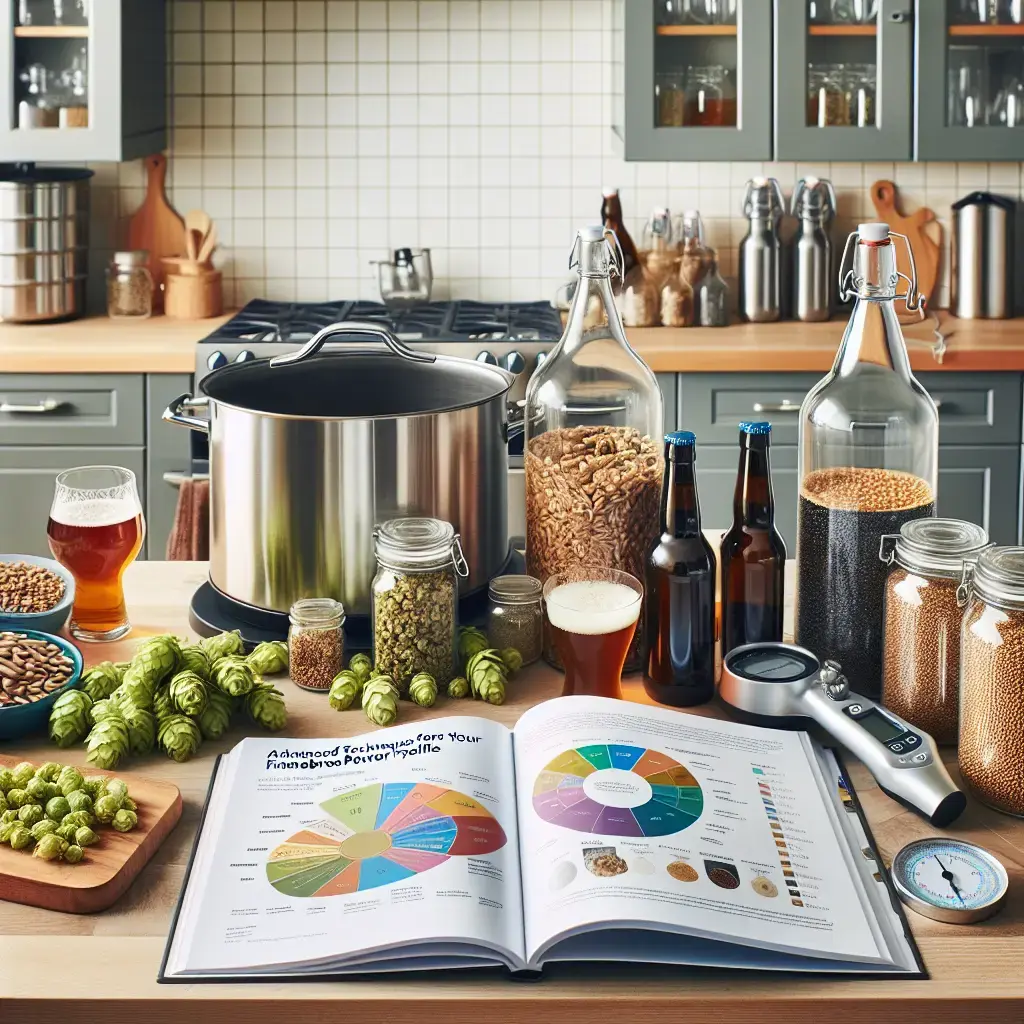
Incorporating new techniques and staying updated with industry trends can also improve homebrew quality. For instance, 2024 has seen a rise in innovative ingredients like hybrid hops, offering unique flavor profiles without sacrificing balance. Experimenting with these trends allows you to expand your brewing repertoire.
Celebrate International Beer Day 2024 by exploring new methods with friends, as highlighted by Delish. This celebration emphasizes the importance of community in brewing and how sharing knowledge enhances your craft.
Reflecting on commercial successes can provide valuable lessons for homebrewers. Recently, Heineken announced a notable 6% organic net revenue growth in the first half of 2024 (MarketWatch). This growth is attributed to their commitment to quality control and innovation—principles applicable to homebrewing as well.
Engagement with homebrew communities, both online and offline, offers invaluable support and knowledge sharing. Whether through local clubs or virtual meetups, these communities provide platforms for discussing challenges and solutions.
Participating in competitions or beer festivals offers feedback on your brews and exposes you to new ideas and techniques that help avoid common errors. The American Homebrewers Association lists events where brewers can network and learn.


Leave a Comment